




Indoor air quality is crucial for maintaining a healthy living environment, and one of the most dangerous pollutants that can compromise it is carbon monoxide (CO). At [company_name], we emphasize the importance of understanding how carbon monoxide can affect your indoor air quality and the steps you can take to protect your home and family.
What is Carbon Monoxide?
Carbon monoxide is a colorless, odorless, and tasteless gas that can be deadly when inhaled in high concentrations. It is produced by the incomplete combustion of fossil fuels such as natural gas, oil, coal, and wood. Common household sources include gas furnaces, water heaters, stoves, fireplaces, and car engines running in an attached garage.
Health Risks of Carbon Monoxide
Exposure to carbon monoxide can cause a range of health issues, from mild symptoms to severe, life-threatening conditions. Here are some potential health risks associated with carbon monoxide exposure:
- Mild Exposure: Headaches, dizziness, nausea, and fatigue are common symptoms of mild CO exposure. These symptoms are often mistaken for the flu.
- Moderate Exposure: Increased levels of exposure can lead to more severe headaches, disorientation, confusion, and shortness of breath.
- Severe Exposure: Prolonged exposure to high levels of CO can result in unconsciousness, permanent brain damage, or death.
Impact on Indoor Air Quality
Carbon monoxide can significantly degrade indoor air quality, making it essential to ensure your home is free from this dangerous gas. Poor indoor air quality due to CO can cause chronic health problems, particularly in vulnerable populations such as children, the elderly, and individuals with preexisting health conditions.
Prevention and Detection
Preventing carbon monoxide buildup and ensuring proper ventilation in your home are critical steps to maintaining good indoor air quality. Here are some measures you can take:
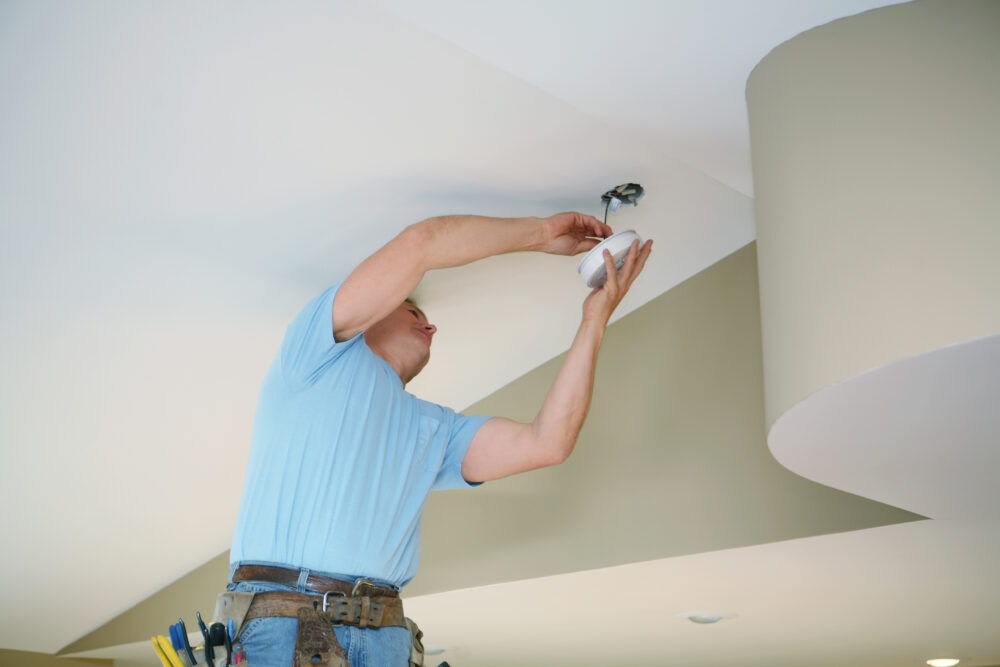
- Install CO Detectors: Place carbon monoxide detectors on every level of your home, especially near bedrooms and fuel-burning appliances.
- Regular Maintenance: Ensure that all fuel-burning appliances are regularly maintained and inspected by professionals to detect and fix any potential issues.
- Proper Ventilation: Make sure that chimneys, flues, and vents are clear of obstructions and properly ventilated.
- Never Use Portable Generators Indoors: Only use generators, grills, and other gasoline-powered equipment outdoors and away from windows, doors, and vents.
Understanding the dangers of carbon monoxide and taking proactive steps to prevent its buildup is essential for maintaining healthy indoor air quality. At [company_name], we are committed to helping you create a safe and comfortable living environment. Contact us today to learn more about our carbon monoxide detection and prevention services. Keep your home and family safe by staying informed and vigilant against this silent threat.