




When temperatures and humidity climb during spring or summer, countless homeowners lean heavily into their access to sweet, refreshing air conditioning. But a cooling system that takes forever to lower the temperature puts your relaxation and comfort on hold. Why does the AC take so long to cool your home or business?
Butler Heating, Air Conditioning, & Plumbing provides comprehensive HVAC services in Springfield, OH, so we’ve seen our fair share of slow air conditioners. Let’s explore why your unit won’t get with the program and what you can do below.
Simple Reasons That Springfield Homeowners Can Handle
HVAC systems keep indoor air circulating, cleaning and adjusting the interior temperature while they operate. Although these complex appliances generally require a trained, professional eye to keep them in working order, you can handle some minor issues on your own. So, why does the AC take so long to cool, and what can you do about it?
- Change the air filter. A clogged air filter creates excessive air resistance, preventing airflow from reaching the handler. Remember to replace it every three months.
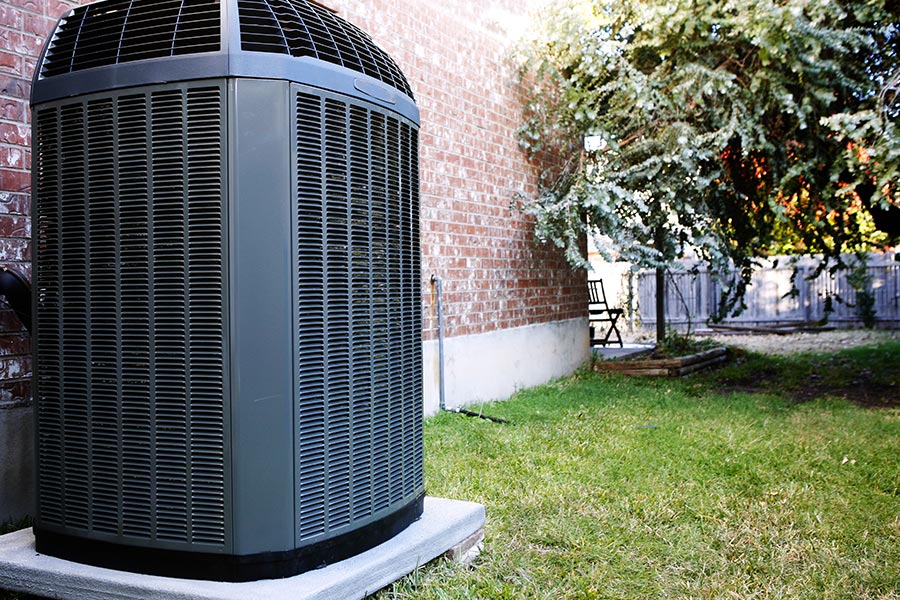
- Clean the indoor and outdoor equipment. We often refer to the indoor equipment as the air handler and the outdoor equipment as the condenser unit. Dust and remove debris from your dirty condenser unit or air handler, giving each at least two feet of clearance on all sides.
- Check for vent blockages. You might accidentally place furniture or a laundry pile in front of a vent. Keep the vents clear so the air can reach each room.
- Adjust your thermostat. Improper thermostat settings are often a culprit for slow cooling. Make sure you set your thermostat to “Auto” or “On” rather than “Fan.”
If you’ve handled the above-listed tasks and still struggle to keep cool, you might need help from an HVAC technician in Springfield, Ohio.
Repairs Best Left to a HVAC Technician
Why does the AC take so long to cool, and how can a technician fix it? Some problems involve a more technical approach than the average Springfield homeowner’s skill. A technician can remedy the following concerns:
- Component damage: An evaporator coil may have frozen over, or the blower fan might be weighed down by dust. Technicians can clean, fix, and replace damaged internal parts.
- Refrigerant leak: Your technician can top off your refrigerant supply and patch the leaky line. Refrigerant absorbs and deposits indoor heat outside, so a leaky line can make your home feel humid and warm.
- Leaky ductwork: Punctured or cracked ducts allow cool, conditioned air to escape before reaching your vents. Your technician can patch the ductwork leak, ensuring all cool air goes into your rooms.
- Poorly functioning thermostat: If you installed your device in an area that feels cooler than the rest of the building, it will base cooling operations on that temperature. Your technician will recommend a better place for it to go.
- Basic maintenance: Every air conditioner needs maintenance services in early to mid-spring. Tune-ups cover component cleanings, minor repairs, and thermostat calibrations for optimal operation.
- Improper equipment sizing: Is your air conditioner the ideal size for your building? Too-small or too-large cooling systems can’t keep up with most temperature demands in the long term.
In rare cases, a cooling problem might occur because of circumstances beyond the actual cooling equipment.
Other Cooling Problems That Lead to Long Cooling Times
If you can’t find the problem and your technician tells you your system seems okay, you should look at external factors that also influence HVAC performance. Some of these factors might include:
- Inadequate insulation: Insulation keeps that brisk, refreshing air inside. You should replace it every ten to 20 years, depending on its quality.
- Poor attic ventilation: Hot air rises into your attic, seeking an escape hatch so it can keep rising. An attic with little to no ventilation will suppress heat inside the building.
- Degraded roofing: The roof also plays a role in your insulation. It can keep cool air from escaping or enable outdoor heat to infiltrate the building.
- Intense heat waves: Occasional heat waves will definitely test your air conditioner. Use ceiling and box fans to keep the air circulating.
Why Does AC Take So Long To Cool The Building? Let Butler Heating, Air Conditioning, & Plumbing Find the Issue in Springfield, Ohio
Why does the AC take so long to cool? Let Butler Heating, Air Conditioning, & Plumbing take a look. Learn more about understanding HVAC services in Springfield, Ohio. Then, reach out to set up an appointment.