




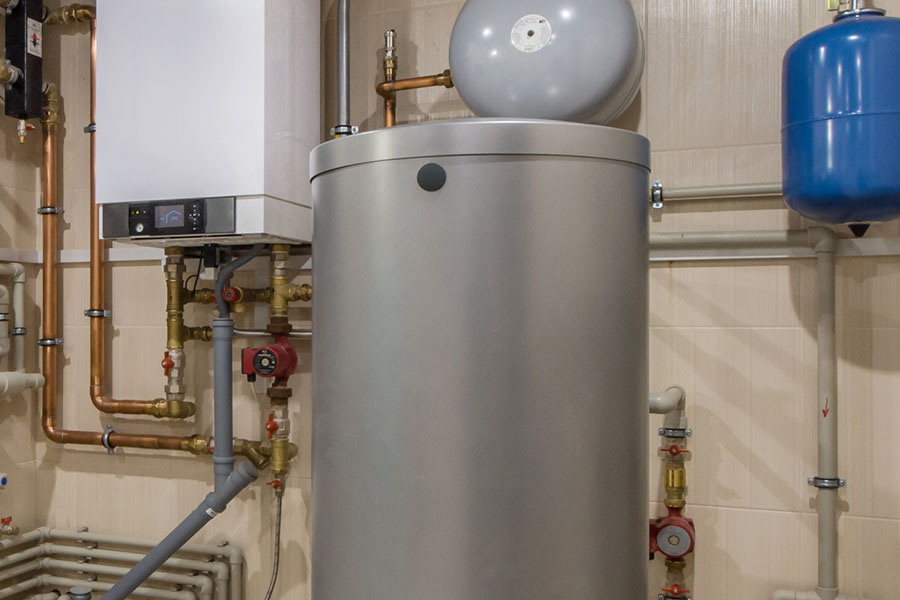
Knowing what to do when your boiler unexpectedly fails can save you time and stress. You need to recognize the signs of trouble and understand the immediate steps to take. Safety should always come first, but there’s more to consider before the repair technician arrives. From common issues to choosing the right service, vital tips can make a difference. Let’s explore these essential insights to keep your home comfortable and safe.
Recognizing the Signs of Boiler Failure
How can you tell if your boiler is on the verge of failure? First, pay attention to unusual noises. If you hear banging, clanking, or whistling, it could signal internal issues.
Next, notice any leaks or pooling water around the unit. These signs often indicate a serious problem. Additionally, if your heating system struggles to maintain a consistent temperature, it might be time to worry.
You should also keep an eye on the pressure gauge; if it’s consistently low, your boiler may not function properly. Another red flag is an increase in your energy bills, suggesting inefficiency.
Finally, if you smell gas or notice a yellow flame instead of blue, shut off your boiler immediately and call for professional help. Recognizing these signs early can save you from costly repairs and guarantee your home stays warm and safe. Regular maintenance can extend boiler life and help avoid these issues altogether.
Safety First: What to Do Before Calling for Help
Before you pick up the phone to call for help, it’s crucial to guarantee your safety and that of your home.
Start by turning off your boiler to prevent further issues or hazards. If you smell gas, leave your home immediately and call your gas provider or emergency services—don’t attempt to investigate the leak yourself. Confirm all windows are open for ventilation.
Check for any visible leaks or water pooling around your boiler. If you see anything suspicious, avoid using electrical appliances nearby.
Stay clear of the boiler and any areas that may be affected until professionals arrive.
Make a note of any unusual noises or symptoms your boiler exhibited before it failed; this information will be helpful for the technician. Additionally, remember that licensed plumbers can provide fast and reliable service for boiler issues, ensuring your home returns to normal quickly.
Finally, keep a phone nearby to stay in touch and follow any safety advice given by the professional on the line. Your safety is the top priority.
Understanding Common Boiler Problems
When it comes to boiler issues, you might notice leaks and drips, no heat when you need it most, or even strange noises coming from the system. Understanding these common problems can help you identify what’s wrong and determine if you need to call for emergency help. Professional plumbers are equipped with the necessary tools for efficient repairs and can address these issues promptly. Let’s break down these issues to keep your home comfortable and safe.
Leaks and Drips
Although leaks and drips may seem like minor annoyances, they often signal underlying issues with your boiler that need immediate attention.
Ignoring these problems can lead to more significant damage and costly repairs down the line. Here are three common causes of leaks and drips you should be aware of:
- Worn-out seals: Over time, seals can degrade, causing water to escape.
- Pressure relief valve failure: If this valve malfunctions, it can lead to excess pressure and leaks.
- Corrosion: Rust and corrosion can compromise the integrity of your boiler, resulting in leaks.
If you notice any leaks, don’t hesitate to call a professional like Butler Heating.
Prompt action guarantees your boiler runs efficiently and safely.
No Heat Issues
Experiencing no heat from your boiler can be frustrating, especially during the colder months.
First, check your thermostat—make sure it’s set correctly and has power. If the settings are fine, inspect the boiler’s pressure gauge; low pressure might be the culprit.
Additionally, verify that the pilot light is lit; if it’s out, follow the manufacturer’s instructions to relight it safely.
If your boiler is older, sediment buildup could be blocking the heat exchange.
Finally, check for any error codes displayed on the control panel.
If you can’t pinpoint the issue, don’t hesitate to call Butler Heating, Air Conditioning & Plumbing for quick, reliable service. They’re ready to help restore your comfort.
Strange Noises Observed
If you hear strange noises coming from your boiler, it’s important to address them promptly, as they can signal underlying issues that need attention.
Ignoring these sounds can lead to bigger problems down the line. Here are three common noises and what they might mean:
- Banging or knocking: This could indicate trapped air in the pipes or a buildup of sediment in the boiler.
- Hissing or bubbling: These sounds often suggest a leak or overheating, which can be dangerous.
- Whistling: This might point to high pressure in the system, requiring immediate inspection.
Don’t hesitate to contact a professional to diagnose and fix these issues.
Your safety and comfort depend on a well-functioning boiler.
The Importance of Regular Maintenance
Regular maintenance is vital for keeping your boiler running efficiently and preventing unexpected breakdowns. You can catch minor issues by scheduling routine check-ups before they escalate into costly repairs. A well-maintained boiler operates more efficiently and consumes less energy, saving you money on utility bills.
During maintenance, professionals can clean components, check for leaks, and verify that safety mechanisms are functioning properly. This proactive approach helps extend the lifespan of your boiler, giving you peace of mind during the colder months. Additionally, proper furnace maintenance ensures that your heating system operates effectively, which is crucial for winter comfort.
Regular service keeps your warranty valid, which is important if a major issue arises. You’ll also benefit from improved indoor air quality as a well-maintained system circulates cleaner air. Don’t wait for a breakdown; prioritize regular maintenance to guarantee your boiler operates smoothly and efficiently when you need it most.
Tips for Emergency Boiler Shutdown
Even with routine maintenance, unexpected boiler issues can arise, making it important to know how to handle an emergency shutdown.
Quick and efficient action can prevent further damage and guarantee safety. Here are three essential steps to follow:
- Turn Off the Power: Locate the power switch or circuit breaker and turn it off immediately. This cuts off electricity to the boiler and reduces the risk of electrical hazards.
- Shut Off the Water Supply: Find the water supply valve and turn it off to prevent leaks or flooding. This helps contain the problem and minimizes water damage.
- Release Pressure: If your boiler has a manual relief valve, use it to release pressure safely. This step is vital to avoid potential explosions or system damage.
Following these steps can help you manage an emergency boiler situation effectively until a professional arrives.
Gathering Information for the Technician
When the technician arrives, you’ll need to provide key information about your boiler.
Make sure to gather details like the boiler’s model and serial number, any symptoms you’ve noticed, and a record of its previous maintenance.
This information helps the technician diagnose the issue quickly and accurately.
Boiler Identification Details
Gathering specific identification details beforehand is crucial to guaranteeing that your technician can quickly diagnose the issue with your boiler.
Having this information ready can greatly speed up the repair process. Here are three key details to collect:
- Boiler Model and Serial Number: You’ll usually find this information on the manufacturer’s label.
- Age of the Boiler: Knowing how old your boiler is helps the technician assess its condition.
- Type of Boiler: Identify whether it’s a combi, system, or regular boiler, as this affects how repairs are handled.
Symptoms and Issues
After gathering the identification details of your boiler, the next step is to observe and note any symptoms or issues that could indicate a problem.
Pay attention to unusual noises like banging or hissing, which may signal internal issues. If you notice fluctuating temperatures or inconsistent heating, it’s a red flag.
Leaks or puddles around the boiler are also concerning and should be documented. Additionally, check for error codes or warning lights on the control panel.
If you smell gas or see discolored flames, act quickly. Record any unusual behavior, as this information will help the technician diagnose the issue faster.
Being thorough now can save time and prevent further damage down the line.
Previous Maintenance History
Gathering the previous maintenance history of your boiler is essential for the technician to understand its condition and past issues.
By providing this information, you can help expedite the repair process and guarantee the technician knows what to look for.
Here are three key details you should collect:
- Service Records: Include dates and descriptions of past repairs and maintenance work.
- Parts Replaced: Note any components that have been changed, as this can indicate recurring problems.
- Operating Issues: Document any unusual noises, leaks, or performance drops you’ve experienced.
Having this information ready will save time and enable the technician to diagnose and resolve issues more effectively.
Temporary Solutions to Keep Your Home Warm
When your boiler unexpectedly breaks down, keeping your home warm becomes a top priority.
First, consider using space heaters to target specific rooms. They’re effective and can provide immediate warmth where you need it most. Make sure to follow safety precautions, keeping them away from flammable materials.
Next, close off unused rooms and curtains to retain heat in occupied spaces. Layering your clothing and using blankets can also help you stay cozy.
If it’s safe, use your oven to generate some extra heat, but never leave it unattended.
Additionally, you can seal drafts around windows and doors with towels or draft stoppers to prevent warm air from escaping.
If your home has a fireplace, using it can offer a nice source of warmth.
Finally, don’t hesitate to call a professional for quick repairs; they can help restore your heating system faster than you think.
Choosing the Right Emergency Repair Service
Experiencing a boiler breakdown can be stressful, especially in cold weather.
When you need emergency repair service, choosing the right company is vital. You want a team that’s reliable, experienced, and ready to help.
Here are three key factors to take into account:
- Availability: Look for a service that operates 24/7. This guarantees you can get help whenever you need it, day or night.
- Experience: Choose a company with a solid track record in boiler repairs. A team with years in the industry will provide the expertise necessary for effective solutions.
- Customer Reviews: Check online testimonials and ratings. They’ll give you insight into the quality of service you can expect.
Cost Considerations for Boiler Repairs
Understanding the costs associated with boiler repairs can help you make informed decisions when emergencies arise.
First, consider the type of repair needed. Minor fixes, like replacing a valve, usually cost less than significant issues, such as a cracked heat exchanger. Labor rates also vary, so check if the technician charges a flat fee or an hourly rate.
Don’t forget to factor in parts costs, as some may be more expensive than others. It’s wise to get an estimate before any work begins. Additionally, ask about financing options if the repair feels overwhelming.
Always remember, opting for the cheapest service may lead to further issues down the line. Investing in quality repairs from a trusted company like Butler Heating, Air Conditioning & Plumbing can save you money in the long run.
Prioritize getting your boiler repaired correctly to guarantee safety and efficiency.
Preventing Future Boiler Emergencies
To prevent future boiler emergencies, regular maintenance is essential. Scheduling routine check-ups can save you from unexpected breakdowns and costly repairs.
Here are three key steps to keep your boiler running smoothly:
- Annual Inspections: Have a professional inspect your boiler at least once a year. They’ll check for leaks, pressure issues, and other potential problems.
- Bleed Radiators: Regularly bleed your radiators to remove trapped air, ensuring your system heats efficiently and avoids stress on the boiler.
- Monitor Pressure Levels: Keep an eye on your boiler’s pressure gauge. It can lead to serious issues if it drops too low or rises too high.
Conclusion
In the world of boiler repairs, being prepared is your best shield against the cold. By knowing the signs of failure and having a plan in place, you can stay warm and safe during emergencies. Don’t wait for trouble to knock; schedule regular maintenance and keep a trusted repair service on speed dial. Remember, a stitch in time saves nine—taking proactive steps today can save you from a chilly disaster tomorrow.